Key Takeaways
- Contact lenses sit on a thin layer of tears, and those tears can evaporate faster during wear.
- Gritty, burning, or tired eyes late in the day often point to contact lens dryness.
- Old lenses, poor fit, screen time, and air conditioning can make dryness worse.
- Lubricating drops made for contacts, daily disposables, and short breaks in glasses can help.
- Many people with contact lens dryness can keep wearing contacts, and an eye exam can help if symptoms persist or worsen.
Plenty of contact lens wearers notice the same pattern. Lenses that feel comfortable in the morning can feel scratchy and tired by late afternoon, especially during pollen season or after long hours in front of a screen.
At Tally Eyeglassery, we often hear from patients who’d love to wear their contacts from breakfast to dinner without counting the minutes. Contact lenses can contribute to dry eyes because each lens rests on your tear film, and those tears can evaporate faster while you wear them. Dryness often improves with a few adjustments, whether that’s a different contact lens fit or changing how long you wear your lenses each day.
How Contacts Affect the Tear Film
Your eyes are coated in a thin layer of tears. When you put in a contact lens, it sits right on top of that layer, sharing space with the moisture your eyes produce.
While you’re wearing lenses, tears can evaporate more quickly than they would otherwise. That’s why dryness tends to show up during wear rather than first thing in the morning or right after you take your lenses out at night. You may notice your eyes feel comfortable at home in glasses, then scratchy again the next time you put your contacts in.
Signs of Dry Eye from Contact Lenses
Contact lens dryness tends to creep up slowly, so it’s easy to blame on a long day. Pay attention if you notice any of these dry eye symptoms:
- A gritty or sandy feeling, as if something’s stuck under your lens
- Burning or stinging
- Redness
- Eyes that feel heavy and tired by late afternoon
- Blurry vision that clears for a moment after you blink
Some symptoms need prompt attention. Take your lenses out and see an optometrist right away if you have eye pain, discharge, light sensitivity, or a sudden change in your vision.
Book an exam if discomfort sets in after only a few hours of wear, too. That pattern can point to a lens fit that doesn’t suit your eyes.
What Makes Contact Lens Dryness Worse
Lenses kept in past their replacement date collect protein and oil deposits from your tears, and those deposits can make each lens feel rougher against your eye. Stretching a 2-week lens into a month or napping in lenses that aren’t approved for overnight wear can add to the irritation.
Lens material also plays a part. Some soft lenses with high water content feel comfortable early in the day, then lose moisture and feel drier as the day goes on.
Screens, Weather, and Daily Life
You blink less when you focus on a screen, so less moisture spreads across each lens.
Other everyday triggers can dry out your tear film too:
- Car vents blowing toward your face
- Air conditioning at home or work
- Windy days
- Spring pollen
Some medications can reduce tear production, including certain antihistamines and blood pressure medications. If you’ve started a new prescription recently, it may explain dryness that began without an obvious cause.
How to Manage Dry Eye from Contacts
Start with rewetting drops labeled safe for contact lenses, since some eye drops aren’t meant for use with lenses in. A few drops mid-afternoon can carry you through the rest of the workday.
If drops alone aren’t enough, a different lens may be. Daily disposables give you a fresh, deposit-free lens every morning, and switching materials can change how your eyes feel by evening. Your cleaning solution is worth reviewing too, because some formulas suit certain eyes and not others.
Simple Habits for Comfort
Small daily habits can help, too. During screen work, try the 20-20-20 rule: every 20 minutes, look at something 20 feet away for 20 seconds. Use that pause to blink fully a few times.
Run a humidifier at home and wear wraparound sunglasses on windy days. Keep a pair of glasses on hand for evenings, and take a lens-free day when your schedule allows.
Whether to Stop Contact Lens Wear
Dry eye rarely means quitting contacts for good. Often, the fix is a different fit, another lens type, or a small change in how long you wear them each day.
Book a Contact Lens Exam for Dry Eye
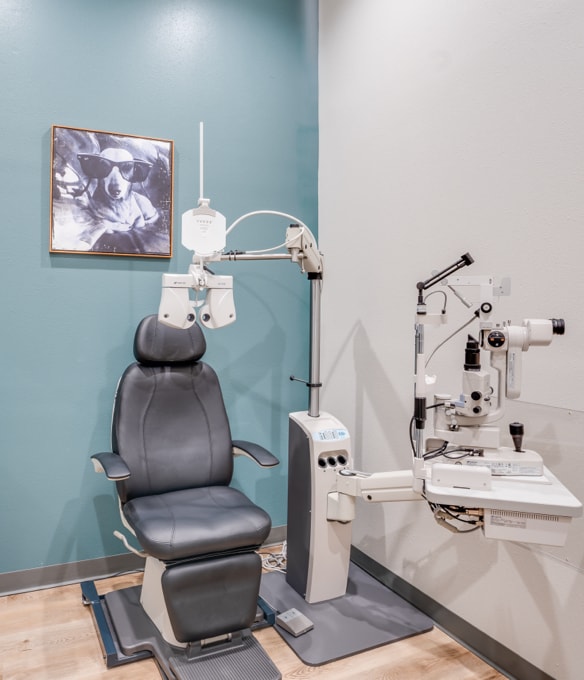
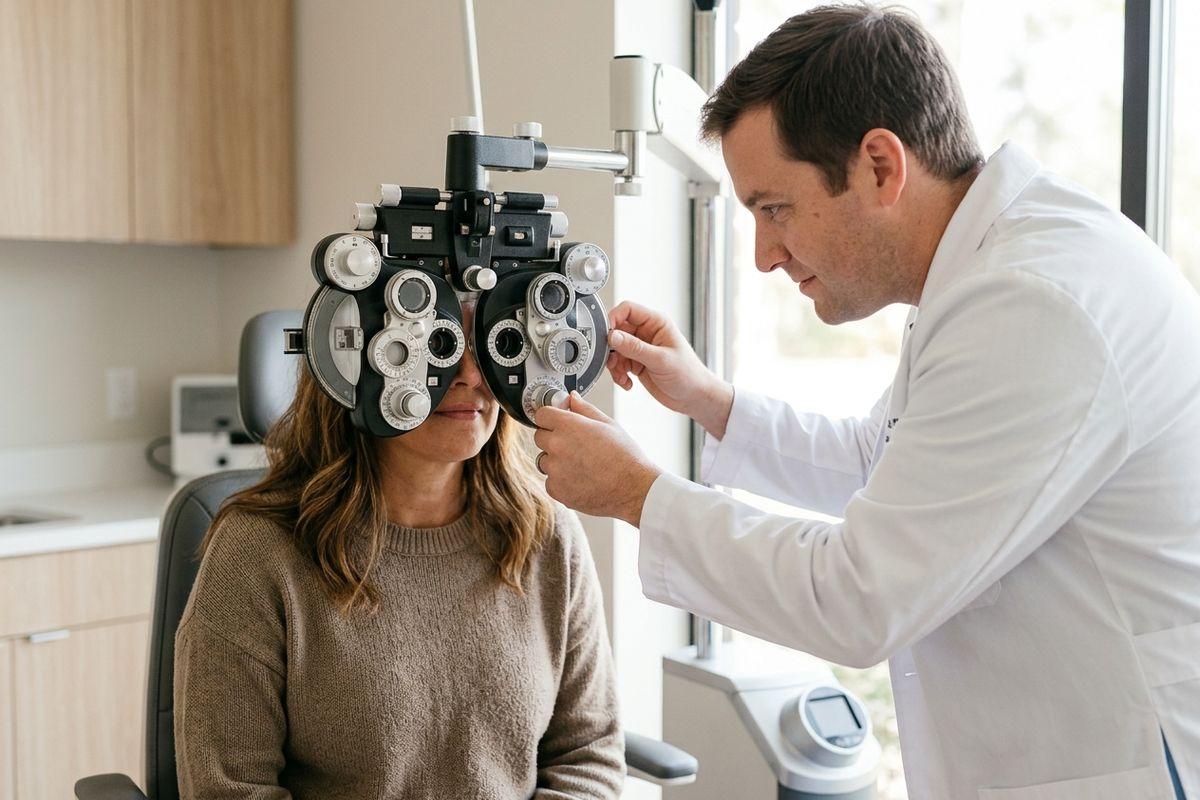
If dryness persists or worsens despite drops and glasses breaks, a comprehensive eye exam can help find what’s behind it. Your optometrist can check how your lenses sit on your eyes and assess your tear film quality.
From there, Tally Eyeglassery can create a personalized dry eye treatment plan to address what your eyes need, including spa-inspired in-office options for ongoing dryness.
Book an appointment to talk through your contact lens options, and browse our eyeglass frames for the evenings you’d rather go lens-free.