Key Takeaways
- Myopia, or nearsightedness, makes distance blurry, while close-up stays clear.
- More daily screen hours have been linked to higher myopia risk in kids.
- Researchers suggest around 2 hours of daylight outdoors each day.
- Squinting, sitting close to the TV, and headaches can all signal changing vision in children.
- A yearly comprehensive eye exam helps track shifts early.
- Myopia control options include specialty contact lenses, certain drops, and glasses designs.
Screens, Kids, & Blurry Distance Vision
Your child scoots closer to the TV every week. Homework happens on a tablet, video chats with grandparents happen on a phone, and weekends drift toward the couch. All of this makes it normal to wonder whether screens are affecting your child’s vision. In fact, this is a question that our team at Tally Eyeglassery hears often.
Screen time alone hasn’t been shown to cause myopia, though heavy daily screen use is associated with higher risk.
What Myopia Means for Your Child’s Vision
Myopia is the clinical name for nearsightedness. It causes blurry distance vision, while near vision remains unaffected. In other words, myopia means that you can read a book just fine, but might struggle to see more distant objects like street signs or scoreboards.
Myopia usually shows up during the school years, and it tends to progress as kids grow. That’s normal, and it’s why regular checkups are so important.
How Screen Time & Myopia Are Linked
What Research Suggests So Far
Increased screen time has been connected to higher myopia risk in children. This link is consistent, though the exact process is still being studied. Younger children appear more sensitive to heavy screen use than teenagers.
Why Time Outdoors Matters
On the other hand, spending time outdoors in the daylight has been shown to reduce myopia risk. Research suggests that children should spend roughly 2 hours outside each day. This doesn’t have to mean organized sports. Walking the dog, riding bikes around the block, or eating lunch on the porch all count toward the total.
How Much Screen Time Is Too Much for Kids
Pediatric groups suggest daily limits based on a child’s age, with tighter limits for the youngest kids.
Many families are surprised to realize how quickly screen time adds up. If your child is using a tablet at breakfast and a laptop for homework, watching TV after dinner, and using their phone before bed, that’s a lot of total screen time.
Built-in screen time apps and simple kitchen timers can help.

Signs Your Child May Need an Eye Exam
Kids rarely complain about blurry vision. Instead, they quietly adapt. This means that it’s their behavior that’s often the first clue to vision changes. Here’s what you should pay attention to:
- Squinting at the TV, the classroom board, or objects far away.
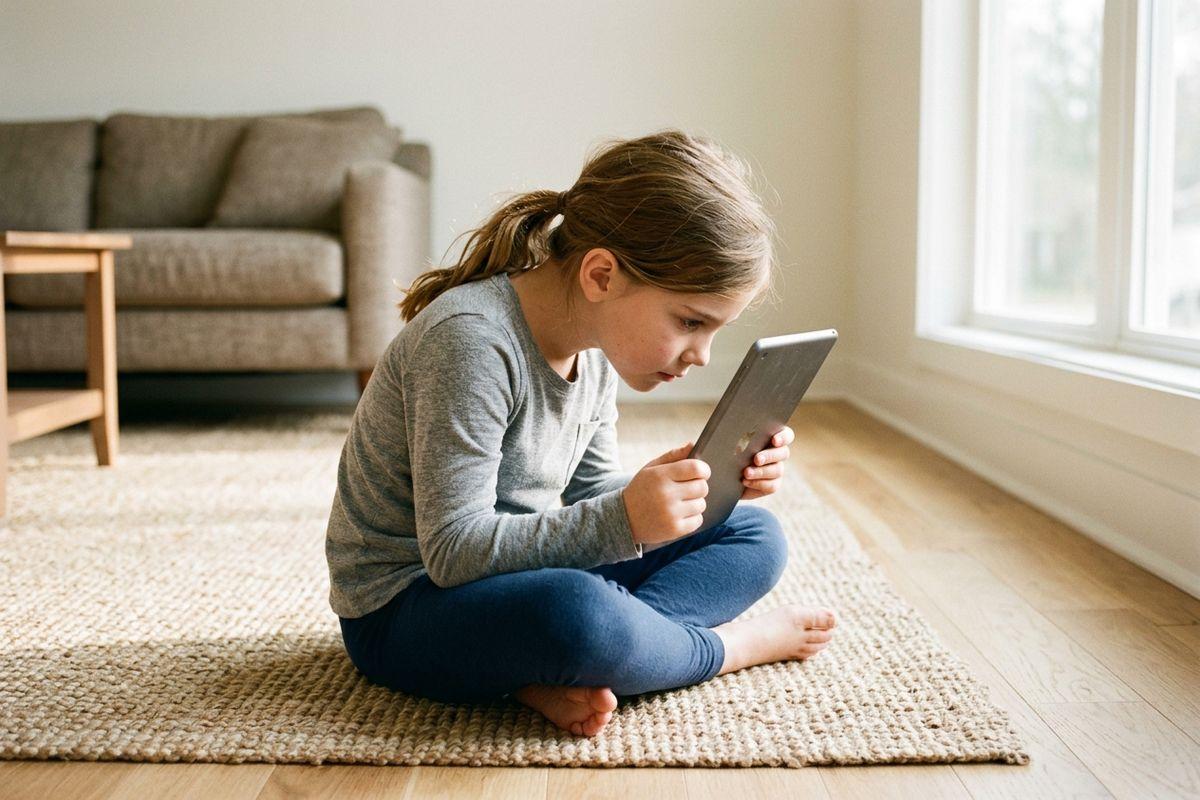
- Sitting very close to screens or holding phones and tablets near the face.
- Mentioning blurry distance vision, headaches, or rubbing the eyes often.
Why Yearly Exams Help
A comprehensive eye exam catches changes early, before your child starts to fall behind in school. Yearly visits also build a record, so our team can see how fast their vision is changing.
Myopia Control Options an Eye Doctor May Discuss
Myopia control refers to approaches meant to slow how quickly nearsightedness progresses. Depending on your child’s age and prescription, we may recommend specialty contact lenses designed for kids, certain eye drops, or glasses designed for myopia control.
What to Expect Over Time
Myopia doesn’t fade on its own. The goal is to slow how fast it progresses and support long-term eye health.
A Tallahassee optometrist can walk you through what’s realistic for your child and which next steps make sense.
Book Your Child’s Eye Exam in Tallahassee
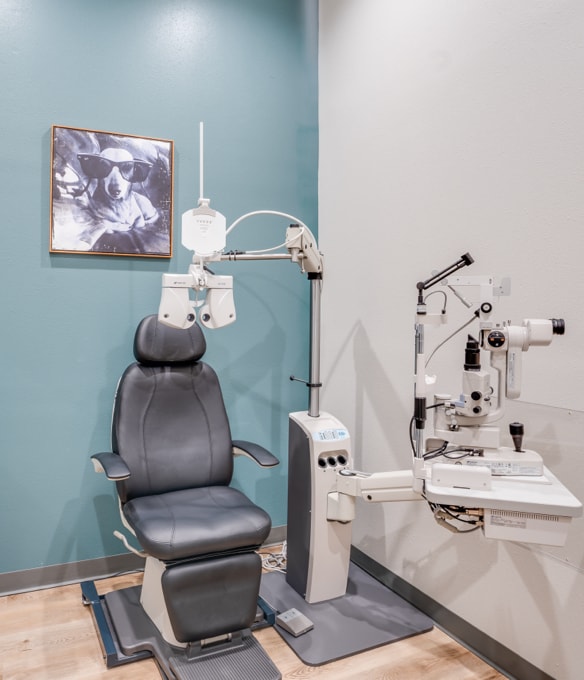
At Tally Eyeglassery, our team offers comprehensive eye exams, myopia control conversations, contact lenses, dry eye treatment, and a curated selection of glasses frames in Tallahassee. Schedule an appointment today, then browse the eyewear boutique while you’re here.