Key Takeaways
- Dry eye happens when your tear film breaks down or your eyes don’t produce enough tears.
- Screen time, contact lens wear, age, and certain medications are common contributing factors.
- Your tears have three layers, and disruption to any one of them can bring on symptoms.
- A comprehensive eye exam can measure tear quality and identify the root cause of your discomfort.
- Small daily habits can help support eye comfort between visits.
Your Eyes Need Enough High Quality Tears
Your eyes feel scratchy before noon. You blink, but the irritation lingers. Maybe your vision blurs during a meeting or your eyes start to water now and then. These symptoms aren’t random annoyances. They’re signals that your eyes are dry.
Dry eye happens when your tear film doesn’t work the way it should, either because your eyes aren’t making enough tears or because the tears you do make evaporate too quickly. Either way, the result is the same: uncomfortable, sometimes blurry eyes that makes life harder than it needs to be.
At Tally Eyeglassery in Tallahassee, we offer a range of dry eye treatment options to address the root causes of your discomfort.
What Dry Eye Actually Feels Like
Dry eye doesn’t always feel “dry.” That’s what makes it easy to miss or misread. Your eyes might feel just fine in the morning and then completely different by afternoon.
Common Symptoms to Watch For
The symptoms vary from person to person, but some patterns are common:
- Burning, stinging, or a gritty feeling, like something small is stuck in your eye
- Blurry vision that clears when you blink but comes back a few seconds later
- Watery eyes (this seems counterintuitive but is actually your eyes attempting to respond to dryness)
That last symptom in particular catches a lot of people off guard. The National Eye Institute’s overview of dry eye explains how different symptoms connect to different underlying causes, which is worth a look if you’re trying to make sense of what you’re feeling.
The Main Contributors to Dry Eye
There’s rarely just one reason your eyes feel this way. Most of the time, it’s a mix of factors that build on each other.
Lifestyle and Environmental Factors
Your daily environment plays a bigger role than most people realize.
- Long hours in front of a screen reduce how often you blink, which lets your tear film dry out faster
- Dry indoor air, wind, and smoke pull moisture from the surface of your eyes
- Wearing contact lenses for extended periods can reduce oxygen flow and contribute to tear film instability
Screen use is one of the most common contributing factors. The American Optometric Association’s guide on computer vision syndrome breaks down exactly how extended screen time affects your tear film and what you can do about it day to day.
Health and Age-Related Factors
Sometimes, what’s happening inside your body shows up first in your eyes.
- Hormonal changes, which are especially common in adults over 40, can often reduce tear production
- Certain medications, including antihistamines, antidepressants, and blood pressure drugs, can decrease how many tears your eyes make
- Autoimmune conditions like Sjogren’s syndrome can affect the glands responsible for keeping your eyes lubricated
Our eyes change over time, and age-related changes to the tear film are more common than most people realize.
Why Your Tears Matter More Than You Think
Tears aren’t just water. They’re a layered system, and each layer has a job to do.
How a Healthy Tear Film Works
Your tear film has three layers: an oily outer layer that slows evaporation, a watery middle layer that carries nutrients, and a mucus layer that helps tears spread evenly across your eye. If any one of those layers breaks down, the whole system feels it. You don’t need a problem with all three to end up with dry eye symptoms.
When Tear Production Falls Short
As you get older, your tear glands naturally produce fewer tears. On top of that, inflammation along the eyelid margin can block the meibomian glands from releasing the oils that keep tears your from evaporating too quickly. When those glands get clogged or inflamed, even a healthy amount of tear production might not be enough to keep your eyes lubricated.
How a Comprehensive Eye Exam Detects Dry Eye
Dry eye isn’t something you can fully assess on your own.
What Your Eye Doctor Looks For
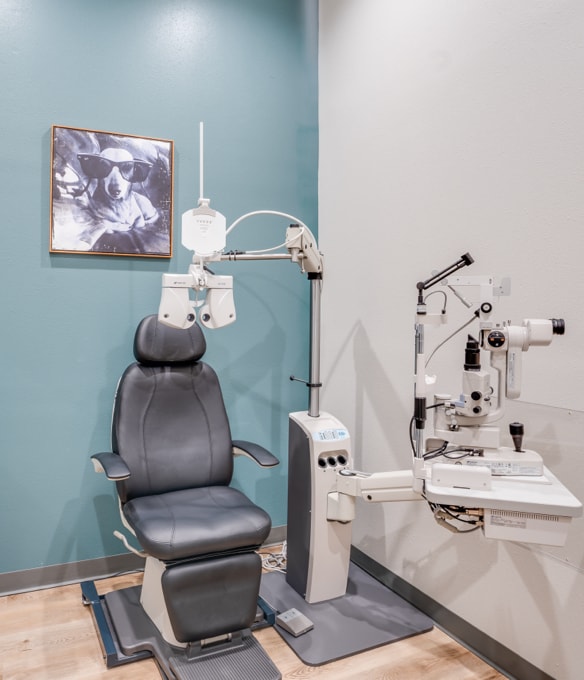
During an eye exam at Tally Eyeglassery, we can measure both the volume of your tears and how stable they are on the surface of your eye. We’ll also evaluate your eyelids and oil glands, since blocked glands are one of the most common contributing factors to evaporative dry eye.
Dry Eye Treatment Options
There’s no single solution that works for everyone, and that’s exactly why a personalized plan matters. Possible treatments include:
- Prescription eye drops to support tear production or reduce inflammation
- Lid therapy to help clear blocked oil glands and improve tear quality
- Ongoing monitoring so our team can adjust your care as your symptoms change over time
For some patients, light-based therapies like those offered through the Eye Spa can also help address the underlying factors of chronic dry eye.
Simple Habits That Support Eye Comfort Daily
What you do between appointments matters. A few consistent habits can make a real difference in how your eyes feel day to day.
- Use the 20-20-20 rule during screen time: every 20 minutes, look at something 20 feet away for 20 seconds to give your eyes a break and encourage blinking
- Drink enough water throughout the day and consider a humidifier if your home or office runs dry
- Schedule regular eye care in Tallahassee so that any changes in your tear film get caught early, before symptoms get worse
Dry eye is manageable, and you don’t have to push through the discomfort. If your eyes have been bothering you, our team at Tally Eyeglassery can help you figure out what’s going on and put together a plan that fits your life. Reach out today to schedule your comprehensive eye exam.