You might think your eyes are healthy because you can read street signs and text messages without squinting. But clear vision doesn’t tell the whole story about your eye health.
A comprehensive eye exam is a thorough evaluation that checks not just how well you see, but the health of your entire visual system, including early detection of eye diseases that often have no symptoms.
At Tally Eyeglassery, these detailed exams go far beyond basic vision screenings to provide you with a complete picture of your eye health.
How Comprehensive Eye Exams Differ From Basic Vision Screenings
That quick eye chart test at the DMV or your doctor’s office only scratches the surface of your eye health. These vision screenings assess whether you can see clearly at various distances, but “perfect vision” is only half the story.
A comprehensive eye exam goes much deeper. Your optometrist examines your eyes in their entirety, including inspecting their internal structures, measuring eye pressure, testing how your eyes work together, and more. This thorough approach can diagnose problems like glaucoma or diabetic retinopathy before you notice any symptoms.
What Happens During Your Comprehensive Eye Exam
Your standard comprehensive eye exam consists of a few essential steps, though the exact shape and what sort of tests you can expect depends on your unique needs. These steps include:
Pre-Exam Health History Review
Your appointment often begins with a discussion of your vision concerns and health background. Our friendly team wants to know if you’ve noticed any changes in your sight, eye strain, or headaches.
Family history matters too, as many eye conditions run in families, so let us know if you have any concerns. Your optometrists will also review any medications you take, since some can affect your vision or eye health.
Vision & Refraction Testing
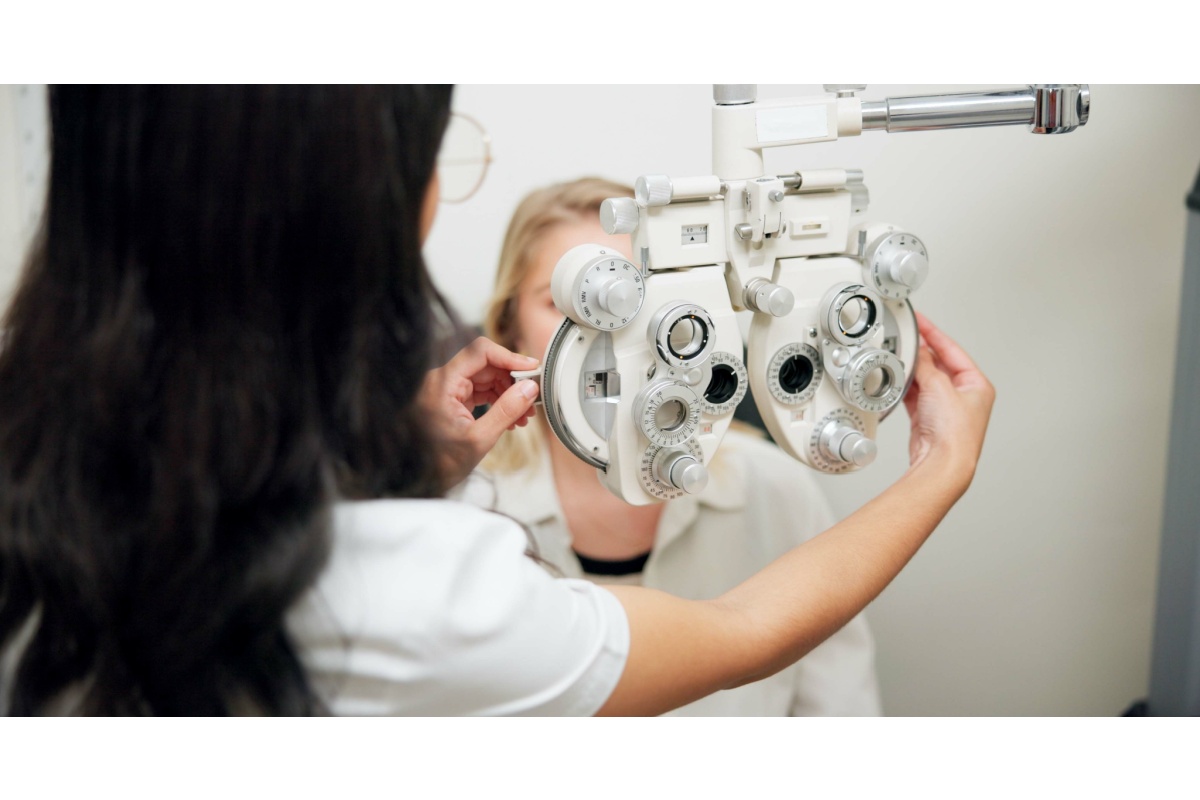
While clear vision is not the only thing that matters for healthy eyes, it’s still important. These tests involve your optometrist asking you to read letters on the eye chart and look through different lenses to determine your exact prescription. We will fine-tune your prescription for each eye separately, then together, to give you the sharpest vision we can.
We can also test how well you see at close and middle distances. This helps determine if you need reading glasses or bifocals.
Eye Health Evaluation
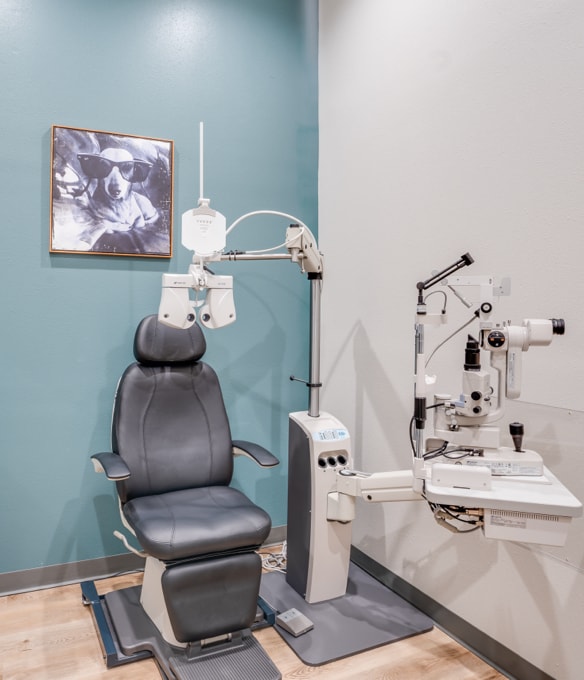
Your optometrist uses special lights and lenses to examine the front and back of your eyes. They look at your cornea, lens, retina, and optic nerve for any signs of disease or damage.
While not as commonly needed nowadays due to advances in technology, your optometrist may dilate your pupils with eye drops to see deeper into your eye. This provides them with a clear view of your retina and helps identify issues early, sometimes before symptoms first appear.
Eye Movement & Coordination Tests
Your eyes need to work together smoothly for comfortable vision. Your optometrist can check how well your eyes track moving objects and focus on things at different distances.
Poor eye coordination can cause double vision, eye strain, and reading difficulties. These tests help identify issues that may affect your daily activities so that you can live comfortably with good vision.
Technology Used in Eye Exams
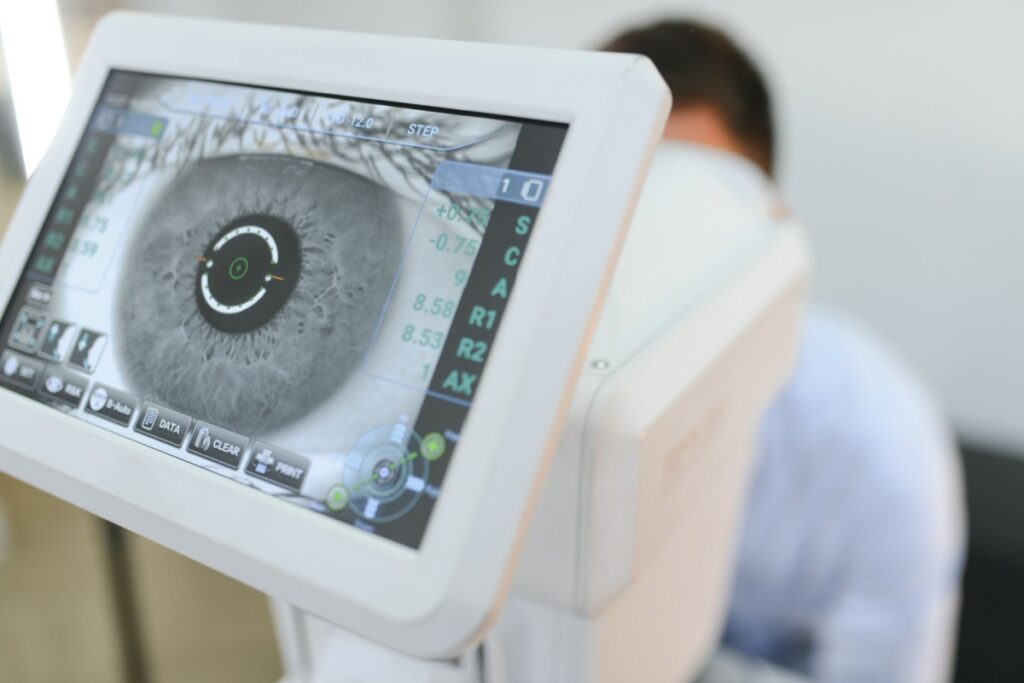
Eye care has come a long way, and today’s optometrists use sophisticated equipment that gives detailed pictures of your eye health. These tools can spot tiny changes that may indicate the start of an eye disease, such as:
- Digital retinal imaging takes high-resolution photos of the back of your eye.
- Visual field testing maps your peripheral vision to check for blind spots.
- Corneal topography measures the curve of your eye’s surface for contact lens fitting and disease detection.
These technologies often mean problems are diagnosed sooner, when treatments are more effective, and can prevent vision loss.
Eye Conditions Detected Through Comprehensive Exams
Common Vision Problems
Most people know about nearsightedness, farsightedness, and astigmatism. These refractive errors cause objects to appear blurry at certain distances and are often diagnosed in childhood. However, your vision is constantly changing, and presbyopia is an age-related condition that makes reading small print harder after age 40.
The good news is that glasses, contact lenses, or sometimes surgery can correct these vision problems.
Eye Diseases & Health Conditions
Many serious eye diseases start without symptoms, including:
- Glaucoma can steal your peripheral vision gradually before causing total vision loss.
- Macular degeneration affects your central vision.
- Diabetic retinopathy damages blood vessels in your retina.
- Dry eye syndrome can make your eyes feel gritty and uncomfortable.
- Cataracts cloud your natural lens over time.
Early detection through comprehensive exams gives you the most treatment options and the chance to preserve your vision.
How Often Do You Need Comprehensive Eye Exams
How often someone needs a comprehensive eye exam depends on their age.
Children & Teens
Kids should have their first comprehensive eye exam by age one, then again at age three, and before starting school. After that, annual exams help catch vision problems that can affect learning.
Children who develop myopia may benefit from myopia control treatments to slow its progression.
Adults Between 18–64
If you have healthy eyes and good vision, you should have comprehensive exams annually. This is especially important if you wear contacts, have a family history of eye disease, or work in visually demanding jobs.
People with Risk Factors
If you have diabetes, high blood pressure, or a family history of eye disease, you may need to have more frequent exams to keep watch for any problems. Your eye doctor can recommend the proper schedule based on your specific situation.
A Clear Future Awaits with Tally Eyeglassery
After your exam, your optometrist will explain their findings and what they mean for your vision and eye health. If you need a new prescription, you can browse frames and contact lenses right in the office. Enjoy our customized fittings and concierge-style experience from the moment you walk through our doors.
Our friendly team at Tally Eyeglassery can help you schedule follow-up appointments and answer any questions about your care. Keep your eye health on track and book your next eye exam today.